



Delving Deep #3: Honing body surfing
Strip back the gear and master the mechanics of the ocean. In "Delving Deep #3," we explore body surfing—the art of the "human hull," pitch control, and the physics of board-less wave riding.
BODYSURFINGDELVING DEEP
1/9/20262 min read
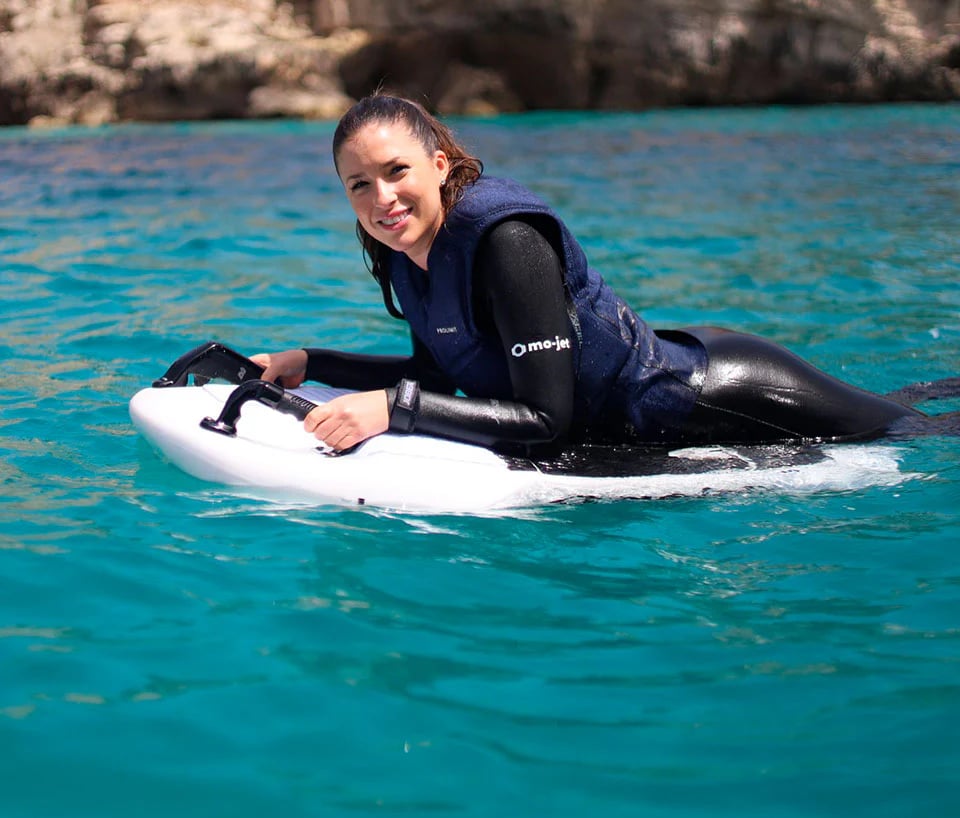
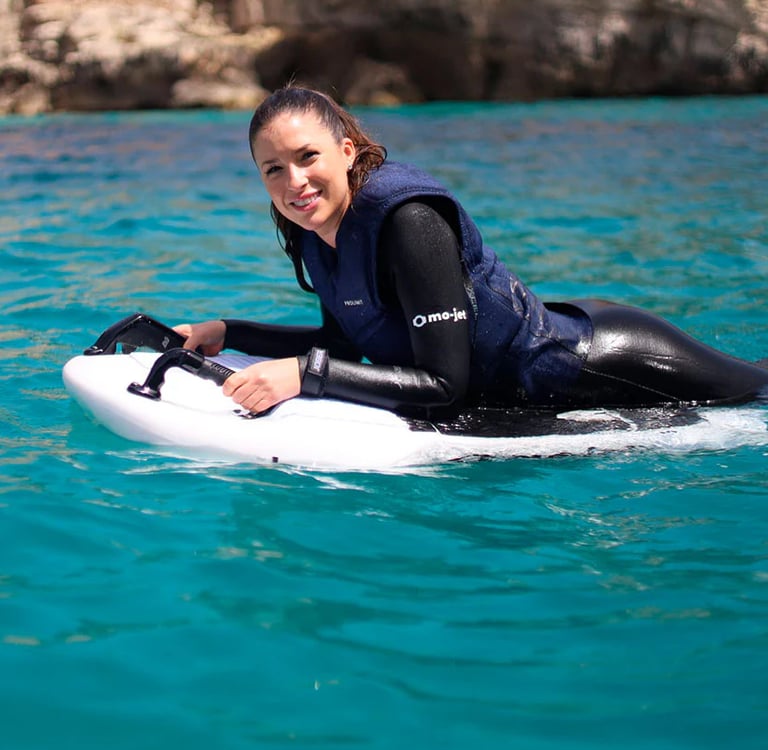
Mastering the Human Hull and the Purest Connection to the Sea
While our previous entries explored the cutting edge of electric propulsion, today we strip everything back. Body surfing is the most minimalist, intimate, and ancient form of water sports. There are no boards to wax and no batteries to charge. In this discipline, your body is the vessel, your arms are the rudders, and your kick is the engine.
Mastering body surfing isn’t just a fun afternoon at the beach—it is the ultimate way to learn how to "read" the ocean’s energy.
🛠 The Physics: You Are the Board
In body surfing, you are looking to achieve the same planing effect we discussed in our eSurf entry. To do this, you must transform your body into a rigid, hydrodynamic "human hull."
Surface Area: To stay afloat and moving, you need to maximise your surface area against the face of the wave. This is achieved through the "Superman" pose—one or both arms extended, core locked, and legs straight.
The Lead Arm: Your lead arm acts as your primary planning surface. By tilting your hand up or down, you control your pitch, and by pointing your fingers toward the shore or the wave’s face, you control your direction.
The Power of Fins: While true "hand-only" body surfing exists, most pros use high-thrust swim fins. These provide the necessary torque to match the speed of a breaking wave, ensuring you don’t get left behind in the "whitewater."
🌊 The Technical Line: Finding the "Pocket"
Because a human body has more drag than a fiberglass board, positioning is everything.
The Take-Off: You don't just wait for the wave; you swim with it. As the swell begins to lift your hips, you give three or four powerful kicks to match the wave's velocity.
Setting the Rail: Once you feel the wave take your weight, you "angle" your body. By pressing your leading shoulder into the face of the wave, you create a "rail" that allows you to travel across the wave rather than just straight toward the beach.
Staying High: The fastest part of the wave is the top third. Body surfers must maintain high core tension to stay high on the wave face, avoiding the "bottom turn" where gravity usually wins against a boardless rider.
✨ Why Body Surfing Belongs on Every Enthusiast's List
At Beyond the Shore, we believe that every great water athlete starts here. Body surfing teaches you the "rhythm" of the swell. It builds incredible lung capacity, leg strength, and an intuitive understanding of currents. It is the ultimate "low-barrier, high-reward" sport that reminds us why we fell in love with the water in the first place.
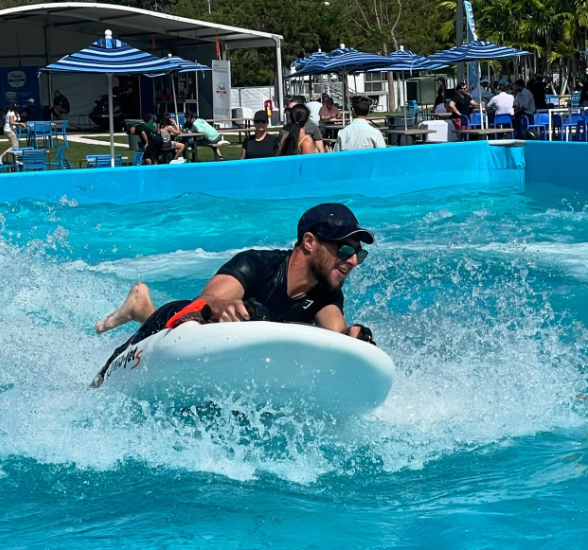
Ready to become the vessel?
Explore our latest eSurf offers and brave the waves in style with robust and advanced gear accompanied by our instructors' expertise.
⚠️ Pro Tip: Avoiding the "Pearl"
Just like in eSurfing, pearling is a risk here. If your head and chest are too low, the wave will drive you straight into the sand.
The Fix: Arch your back slightly and keep your chin up. Think of your chest as the "bow" of a boat—it needs to stay above the waterline to keep the momentum moving forward.
Contact
Get in touch for eFoil and jetsurf inquiries.
Info
© 2025. All rights reserved.
Calle Aristides Hernández Morán 9, subsuelo 1, Jetsurf Fuerteventura